An Architect's Note-Book in Spain principally illustrating the domestic architecture of that country. By: Matthew Digby Wyatt (1820-1877) |
|---|
An Architect's Note-Book in Spain is an exceptionally detailed and insightful exploration of the domestic architecture in Spain, written by the remarkable Matthew Digby Wyatt. This book serves as a treasure trove of invaluable information and stunning visual depictions, making it an essential read for architecture enthusiasts and professionals alike.
One of the most striking aspects of Wyatt's work is his meticulous attention to detail. Every chapter in this book portrays a comprehensive analysis of various architectural elements, from the intricate design of courtyards to the seamless integration of gardens within Spanish homes. Wyatt's ability to capture the essence of each architectural feature, coupled with his engaging writing style, brings these structures to life within the reader's mind.
Furthermore, this book offers a unique perspective on Spanish architecture with its emphasis on domestic structures. Wyatt masterfully unveils the impact of cultural influences, historical events, and regional variations on the development of Spanish homes, fostering a deep understanding of the context within which these architectural marvels were conceived. His captivating descriptions not only shed light on the physical attributes of each building but also reveal the social and cultural significance attached to them.
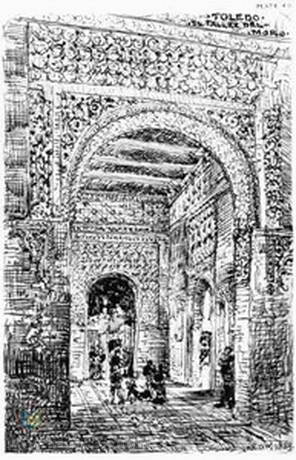
Moreover, the visual aspect of An Architect's Note-Book in Spain is simply breathtaking. Wyatt's sketches and illustrations allow readers to appreciate the intricate details of Spanish architecture in an entirely new light. From the ornate Moorish motifs found in Andalusian dwellings to the elegant simplicity of Catalan homes, these illustrations provide a vivid and immersive experience that further enriches the reading experience.
While this book primarily focuses on historical architecture, Wyatt's exploration of contemporary Spanish designs adds a refreshing layer of diversity. By examining the works of modern architects, the author showcases the evolution of Spanish domestic architecture, highlighting the inherent connection between tradition and innovation. This integration of past and present effectively demonstrates the timeless beauty and relevance of Spanish architectural styles.
However, it is important to note that while Wyatt's book is undeniably comprehensive, it may be overwhelming for readers with limited knowledge in the field. The sheer amount of information and technical terminology employed throughout the text can make certain sections challenging to grasp for those unfamiliar with architectural concepts. Nevertheless, with a bit of patience and determination, readers will find themselves rewarded with an unparalleled understanding of Spanish domestic architecture.
In conclusion, An Architect's Note-Book in Spain by Matthew Digby Wyatt is a true masterpiece in the realm of architectural literature. Its meticulous research, engaging prose, and captivating illustrations offer a comprehensive exploration of Spanish domestic architecture, from its historical roots to its contemporary expressions. Whether you are a seasoned architect, a passionate student, or simply a lover of all things Spanish, this book is an essential addition to your library. PRINCIPALLY ILLUSTRATING THE DOMESTIC ARCHITECTURE OF THAT COUNTRY. BY M. DIGBY WYATT, M.A. SLADE PROFESSOR OF FINE ART IN THE UNIVERSITY OF CAMBRIDGE, &C. WITH ONE HUNDRED OF THE AUTHOR'S SKETCHES, REPRODUCED BY THE AUTOTYPE MECHANICAL PROCESS. LONDON: AUTOTYPE FINE ART COMPANY (LIMITED), 36, RATHBONE PLACE. TO OWEN JONES, ESQ. KNIGHT OF THE ORDERS OF SAINTS MAURICE AND LAZARUS OF ITALY, AND OF LEOPOLD OF BELGIUM, MEMBER OF THE ROYAL ACADEMY OF SAINT FERDINAND OF SPAIN, &C., &C., &C. My dear Owen, The last book I wrote I dedicated to my brother by blood; the present I dedicate to you my brother in Art. Let it be a record of the value I set upon all you have taught me, and upon your true friendship. Ever yours, M. DIGBY WYATT. 37, Tavistock Place, W.C. October, 1872. PREFACE. Before quitting England for a first visit to Spain in the Autumn of 1869, I made up my mind both to see and draw as much of the Architectural remains of that country as the time and means at my disposal would permit; and further determined so to draw as to admit of the publication of my sketches and portions of my notes on the objects represented, in the precise form in which they might be made... Continue reading book >>
|
| eBook Downloads | |
|---|---|
|
ePUB eBook • iBooks for iPhone and iPad • Nook • Sony Reader |
Kindle eBook • Mobi file format for Kindle |
|
Read eBook • Load eBook in browser |
Text File eBook • Computers • Windows • Mac |
| Review this book |
|---|
