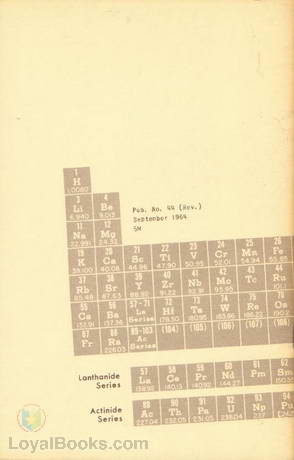
In "A Brief History of Element Discovery, Synthesis, and Analysis" Glen W. Watson expertly navigates the complex world of element discovery, synthesis, and analysis, delivering a comprehensive and engaging account.
The book takes readers on a journey through time, beginning with the ancient civilizations' rudimentary understanding of the elements, and progressing to the groundbreaking discoveries of the modern era. Watson's meticulous research and clear writing style allow even those not well-versed in chemistry to grasp the significance of each scientific breakthrough.
One of the strongest aspects of this book is Watson's ability to seamlessly weave historical context into the narrative. He provides readers with a deeper understanding of the socio-cultural factors that influenced scientific thought at different points in time. This contextual approach not only makes the content more relatable but also highlights the profound impact of element discovery on society as a whole.
Moreover, Watson showcases the incredible human endeavor behind the process of element synthesis. He introduces readers to the brilliant scientists who dedicated their lives to unraveling the mysteries of the periodic table, showcasing their triumphs and setbacks along the way. This focus on the individuals behind the discoveries adds a personal and human touch to the scientific discourse.
Furthermore, the book delves into the intricate methods and techniques used to analyze elements, illustrating how advancements in instrumentation have revolutionized this field. Watson expertly breaks down complex scientific ideas into digestible explanations, ensuring that readers can follow along and appreciate the intricacies of analytical chemistry.
While the book primarily focuses on the historical narrative of element discovery, synthesis, and analysis, Watson also highlights the impact of these findings on various scientific disciplines. From the development of new materials to advancements in medicine and technology, the far-reaching applications of element research are explored in a compelling and accessible manner.
If there is one criticism of this book, it is the lack of in-depth exploration of recent advancements and current trends in the field. While Watson covers the major milestones, one cannot help but wish for a more up-to-date analysis that includes contemporary discoveries and cutting-edge research. It would have been fascinating to see Watson's insights on how element discovery and analysis are shaping the future of science.
In conclusion, "A Brief History of Element Discovery, Synthesis, and Analysis" is a captivating journey through the annals of scientific progress. Glen W. Watson's meticulous research, engaging storytelling, and comprehensive approach make this book a commendable resource for anyone interested in the history of chemistry. Whether a student of science or an enthusiast for knowledge, this book provides a profound appreciation for the crucial role elements play in our understanding of the natural world.
First Page: