Burning of the Brooklyn Theatre By: Anonymous |
|---|
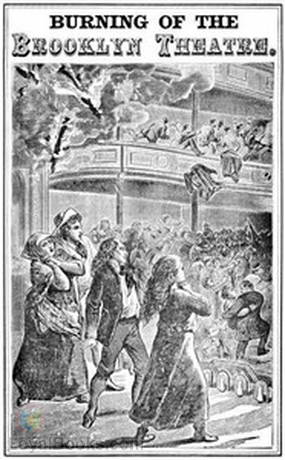
The Burning of the Brooklyn Theatre, a gripping historical account penned by an anonymous author, takes readers back to a tragic event that unfolded in the heart of Brooklyn in 1876. Through meticulous research and attention to detail, the author paints a vivid picture of the incident, leaving readers both horrified and captivated.
The book begins by setting the stage and providing context for the fateful evening that led to the burning of the Brooklyn Theatre. The author delves into the zeitgeist of the era, exploring the rampant growth of theatre culture and the iconic status that the Brooklyn Theatre held in the community. By doing so, the author helps readers understand the significance and impact of the tragedy that was about to unfold.
What truly sets this book apart is the way the author weaves together historical facts and personal accounts. The tragedy is recounted not only through the eyes of witnesses but also through the experiences of those directly affected by the fire. This multilayered approach creates a deeply powerful and emotional narrative that pulls readers into the heart of the disaster.
The author's attention to detail is commendable. From the accurate depiction of the architectural layout of the Brooklyn Theatre to the meticulous reconstruction of the events leading up to the fire, every aspect of the tragedy has been painstakingly researched. As a result, the reader gains a comprehensive understanding of how the incident unfolded, ultimately leading to the devastating loss of lives.
In addition to the haunting description of the inferno itself, the author also shines a light on the aftermath of the disaster. The book explores the immediate response from the community and the subsequent investigations into the causes of the fire. This not only contributes to the historical accuracy of the account but also gives readers a deeper understanding of the societal ramifications that followed.
One minor drawback of the book is its occasional narrative digressions. While these tangents provide valuable context and information, they occasionally disrupt the flow of the story. However, the author's ability to swiftly return to the core narrative ensures that these diversions do not overshadow the main tragedy.
In conclusion, the anonymous author of Burning of the Brooklyn Theatre delivers a meticulously researched and compelling account of a tragedy that shook an entire community. The book's ability to transport readers to 19th-century Brooklyn and immerse them in the harrowing events is a testament to the author's skill in storytelling. This historical narrative is a must-read for those interested in the history of theater and a reminder of the enduring power of tragedy and its impact on a community. [Illustration] A THRILLING PERSONAL EXPERIENCE! BROOKLYN'S HORROR. WHOLESALE HOLOCAUST AT THE BROOKLYN, NEW YORK, THEATRE, ON THE NIGHT OF DECEMBER 5TH, 1876. Three Hundred Men, Women and Children BURIED IN THE BLAZING RUINS! ORIGIN, PROGRESS AND DEVASTATION OF THE FIRE. The Tragedy in the Galleries A Wedge of Death Into a Pit of Fire Harrowing Scenes and Incidents Affecting and Exciting Stories of Survivors Two Actors among the Victims The Ghastly Array of the Disfigured Dead Heartrending Scenes in Identifying the Remains Complete List of the Victims Burial of the Dead. PHILADELPHIA: BARCLAY & CO., PUBLISHERS, No. 21 NORTH SEVENTH STREET. Entered according to Act of Congress, in the year 1876, by BARCLAY & CO., In the Office of the Librarian of Congress, at Washington, D. C. BURNING OF THE BROOKLYN THEATRE. The destruction of the Brooklyn Theatre, on the night of Tuesday, December the 5th, was the most terrible calamity of its kind that has occurred in this country. What was first deemed to be an ordinary fire, naturally involving serious financial loss to the owners, the lessees and the actors, was really a catastrophe of the most heartrending character, causing, as it did, the loss of upwards of three hundred lives... Continue reading book >>
|
| eBook Downloads | |
|---|---|
|
ePUB eBook • iBooks for iPhone and iPad • Nook • Sony Reader |
Kindle eBook • Mobi file format for Kindle |
|
Read eBook • Load eBook in browser |
Text File eBook • Computers • Windows • Mac |
| Review this book |
|---|
