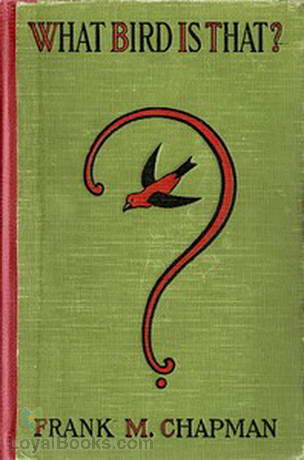
What Bird is That? is a remarkable guide that any bird enthusiast, casual or dedicated, would find immensely valuable. Authored by Frank M. Chapman, a renowned ornithologist, this pocket-sized museum is a comprehensive and meticulously organized collection of land birds found in the eastern United States.
One aspect that immediately stands out is the book's seasonal arrangement. This unique feature allows readers to easily identify and understand the migratory patterns and behaviors of the included bird species throughout the year. By dividing the content into four sections corresponding to the seasons, Chapman ensures that birdwatchers are equipped with the information they need depending on the time of year, significantly enhancing their chances of accurate identification.
The pocket-sized format of the book makes it highly portable, perfect for taking along on spontaneous birding trips. Despite its small size, the text and illustrations are incredibly detailed and visually appealing. Each species description is accompanied by vivid illustrations, accurately capturing the distinct characteristics and coloring of each bird. Whether it's the vibrant plumage of a Scarlet Tanager or the majestic flight pattern of an Osprey, the book brings every species to life on its pages.
An excellent feature of What Bird is That? is the inclusion of important details about each bird species. Chapman not only provides the bird's scientific and common names but also its size, habitat preferences, and preferred food sources. Additionally, he shares interesting facts and anecdotes about bird behavior, giving readers a deeper insight into the avian world.
Moreover, the book is incredibly user-friendly, catering to both beginner and experienced birdwatchers. The species descriptions are concise and clear, ensuring easy comprehension while conveying the essential information. The index and glossary at the back of the book further aid in quick referencing and understanding of any unfamiliar terms or concepts.
However, one aspect that could be improved upon is the inclusion of more photographs alongside the illustrations. While the illustrations are undoubtedly expertly done, having actual photographs of the species would be beneficial for those who prefer real-life references. Additionally, the text could be organized in a way that allows for easier comparison between species, particularly for birds that may have similar physical characteristics.
In conclusion, What Bird is That? by Frank M. Chapman is an indispensable tool for birdwatchers, providing an invaluable wealth of knowledge within its pocket-sized pages. Seasonally arranged, beautifully illustrated, and filled with insightful information, this book is a treasure trove for anyone seeking to identify and appreciate land birds in the eastern United States. Whether you are a novice enthusiast or a seasoned birder, this comprehensive guide is sure to enhance your birdwatching experience.
First Page: