Ye of Little Faith By: Roger Phillips Graham (1909-1965) |
|---|
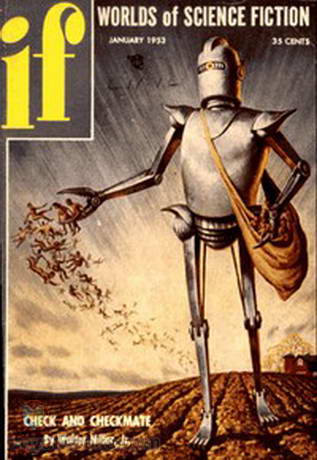
In Ye of Little Faith, Roger Phillips Graham delves into the rich and complex subject of religious doubt, confronting the often ignored side of faith – its potential fragility. With deeply poignant prose and meticulous research, Graham embarks on a thought-provoking journey, examining the common struggles faced by believers who experience doubt.
One of the inherent strengths of Graham's book lies in his ability to articulate the internal conflicts faced by those grappling with their faith. Drawing from personal narratives and extensive interviews, the author creates a diverse tapestry of voices. These accounts offer a glimpse into the innermost thoughts and emotions of individuals, opening the door to understanding their unique struggles. The raw vulnerability showcased in these stories allows readers to empathize with the characters and reflect on their own spiritual journeys.
Moreover, Graham's exploration of doubt is not limited to personal anecdotes. He adeptly weaves in relevant theological and historical analysis, grounding the broader themes in a solid foundation of scholarly research. This comprehensive approach lends credibility to his arguments, making them all the more convincing and impactful. The author's meticulousness in presenting multiple perspectives creates a well-rounded narrative that calls for introspection and encourages dialogue.
Graham's writing style is both eloquent and accessible, ensuring that his work appeals to a wide range of readers. His clarity of thought enables readers to engage with complex ideas without feeling overwhelmed. Additionally, his inclusion of relatable metaphors and analogies serves as a guiding light, offering clarity and facilitating comprehension of challenging concepts.
While Ye of Little Faith predominantly focuses on the struggle with doubt, Graham's nuanced exploration also recognizes the potential for growth and resilience that can arise from confronting one's uncertainties. By presenting stories of individuals who rediscover their faith after periods of doubt, the author provides an uplifting and inspiring message to readers who may be traversing similar paths.
If there is one minor drawback to the book, it is the occasional repetition found in certain sections. However, this redundancy does not overshadow the overall impact of the narrative. The breadth of topics covered and the depth of insights presented undoubtedly compensate for this minor flaw.
In conclusion, Ye of Little Faith is a captivating examination of doubt within the realm of faith. Graham's adept storytelling and thorough research allow readers to form a profound connection with the characters and their stories. It is a compelling work that challenges conventional ideas of faith while simultaneously providing hope and encouragement to those who question their own beliefs. This book is a valuable resource for both believers and skeptics alike, offering a fresh perspective on the complex nature of faith. By Rog Phillips Illustrated by TOM BEECHAM [Transcriber Note: This etext was produced from IF Worlds of Science Fiction January 1953. Extensive research did not uncover any evidence that the U.S. copyright on this publication was renewed.] [Sidenote: It matters not whether you believe or disbelieve. Reality is not always based on logic; nor, particularly, are the laws of the universe.... ] The disappearance of John Henderson was most spectacular. It occurred while he was at the blackboard working an example in multiple integration for his ten o'clock class. The incompleted problem remained on the board for three days while the police worked on the case. It, a wrist watch and a sterling silver monogrammed belt buckle, lying on the floor near where he had stood, were all the physical evidence they had to go on. There was plenty of eye witness evidence. The class consisted of forty three pupils. They all had their eyes on him in varying degrees of attention when it happened. Their accounts of what happened all agreed in important details. Even as to what he had been saying. In the reports that went into the police files he was quoted with a high degree of certainty as having said, "Integration always brings into the picture a constant which was not present... Continue reading book >>
|
| eBook Downloads | |
|---|---|
|
ePUB eBook • iBooks for iPhone and iPad • Nook • Sony Reader |
Kindle eBook • Mobi file format for Kindle |
|
Read eBook • Load eBook in browser |
Text File eBook • Computers • Windows • Mac |
| Review this book |
|---|
